Speed limit survey
Now available: Speed limit survey results
The survey results are now available through the 2026 speed limit survey results report.
The report summarizes what we heard about speeding in residential areas, feelings of safety and opinions about potential residential speed limit changes.
Nearly 4,000 community members provided meaningful feedback to Strathcona County. We heard from a broad range of people who have different perspectives. Thank you for your input.
The survey results will be presented to Council later this year. The findings will be considered alongside technical analysis, safety data, operational considerations, County policies and engineering best practices.
Why speed matters
Reducing vehicle speeds is one of the most effective ways to improve safety, especially for vulnerable road users (such as pedestrians, cyclists and children).
Research indicates that even small reductions in speed can have a big impact. Lowering speed from 50 to 40 km/h can help reduce collisions, serious injuries and fatalities.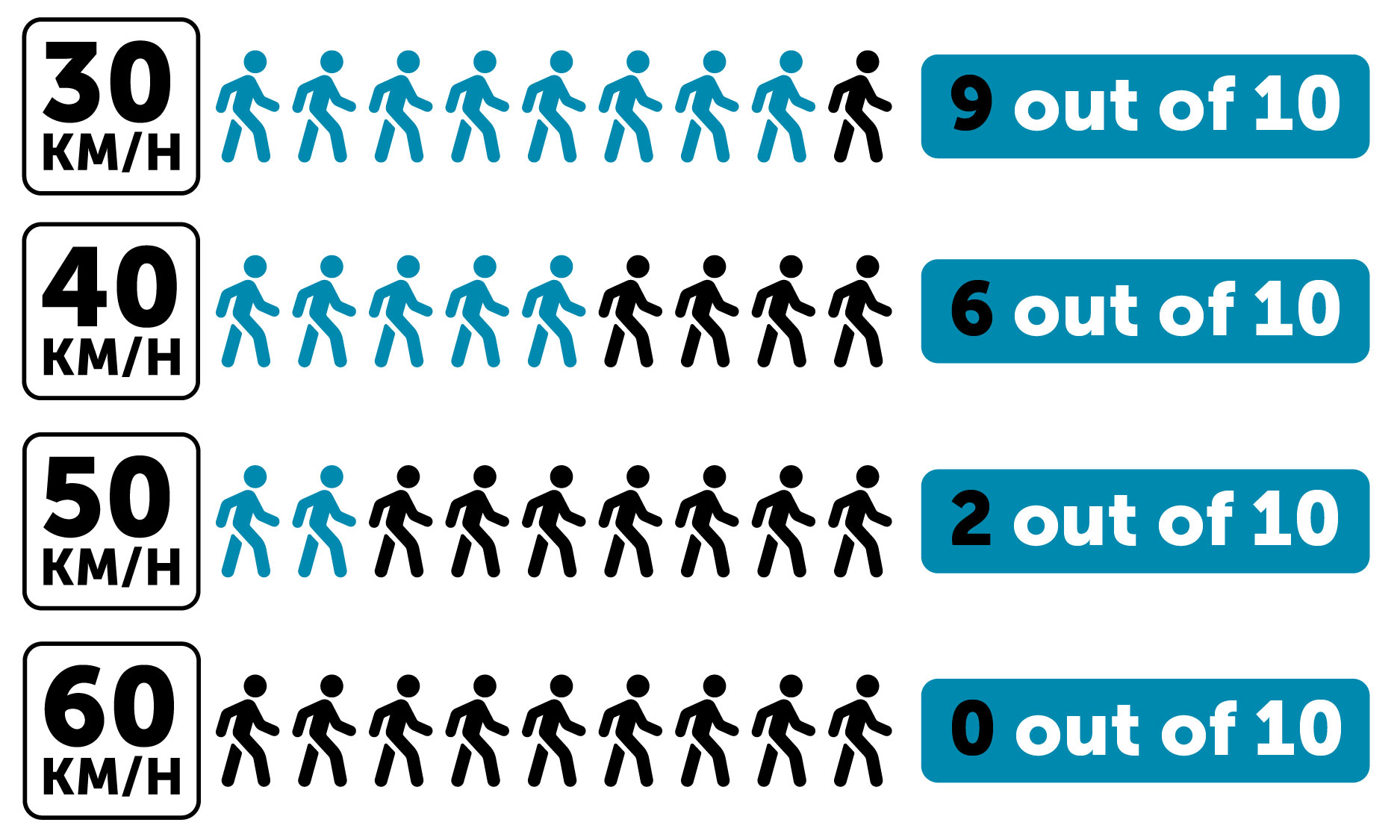
Speed and your commute
Overall, reducing speed limits has minor impacts on travel time.
For example, reducing your speed from 50 to 40 km/h will add less than 20 seconds per kilometre. This means only a few extra seconds are added to a typical neighbourhood trip.
Background
The County has been exploring ways to improve safety and support active transportation.
In 2023, Council formed the Active Transportation and Traffic Safety Task Force, which identified lowering residential speed limits as a top priority to improve safety for all community members. Although the Task Force is no longer active, Strathcona County is committed to exploring and potentially actioning the recommendations made.
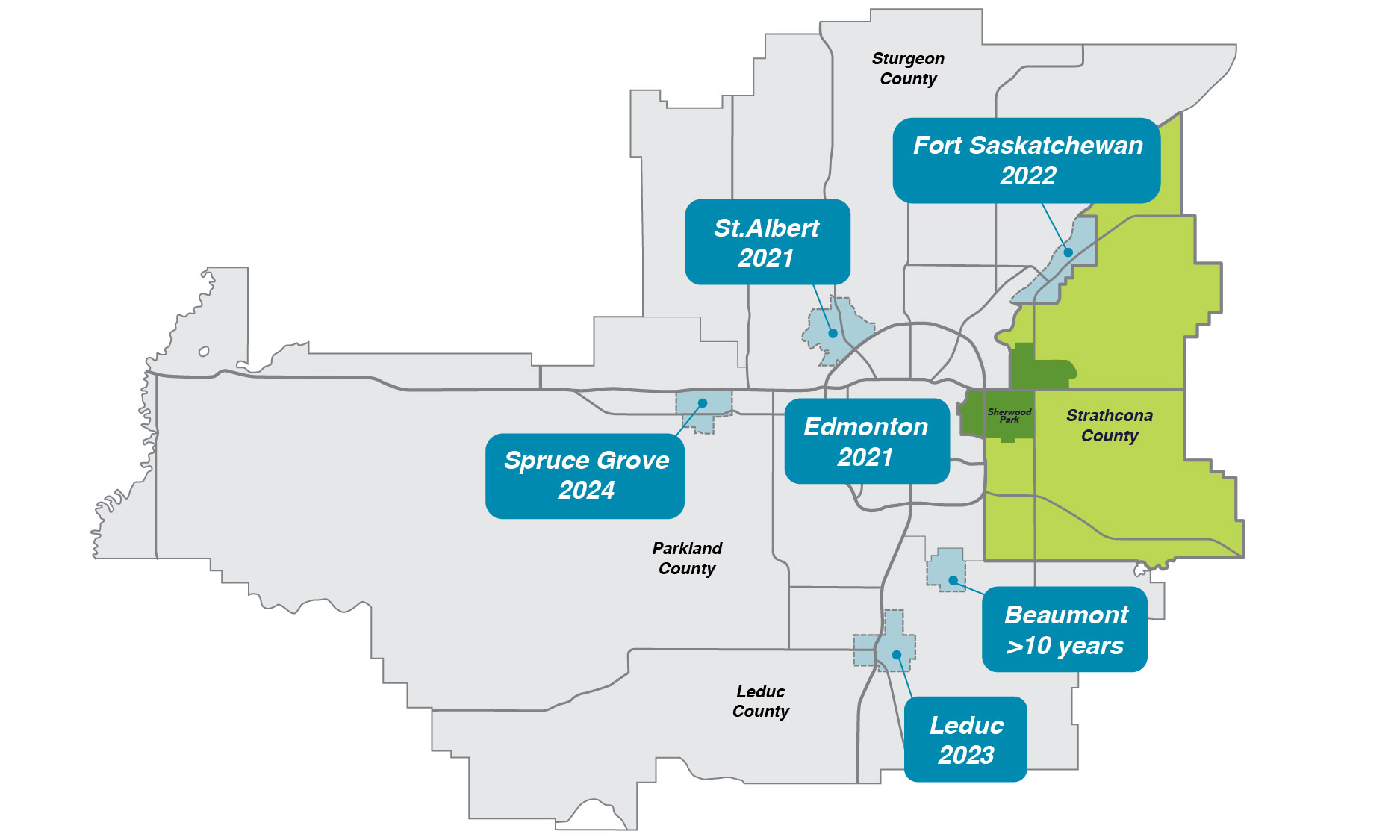
We’re also looking into lowering speed limits to keep us aligned with the rest of our region. The below graphic shows neighbouring municipalities that have implemented 40 km/h speed limits.
-
Public Engagement Advisor

Email engagement@strathcona.ca -
Manager, Planning, Engineering & Safety

-
Engineer, Traffic Safety